Retatrutide (Retatrutide) 5/10/30mg
Retatrutide – triple agonist of the GLP-1, GIP and glucagon receptors, studied in relation to body weight and glucose metabolism. Price and batch analysis.
59.00 EUR · In stock
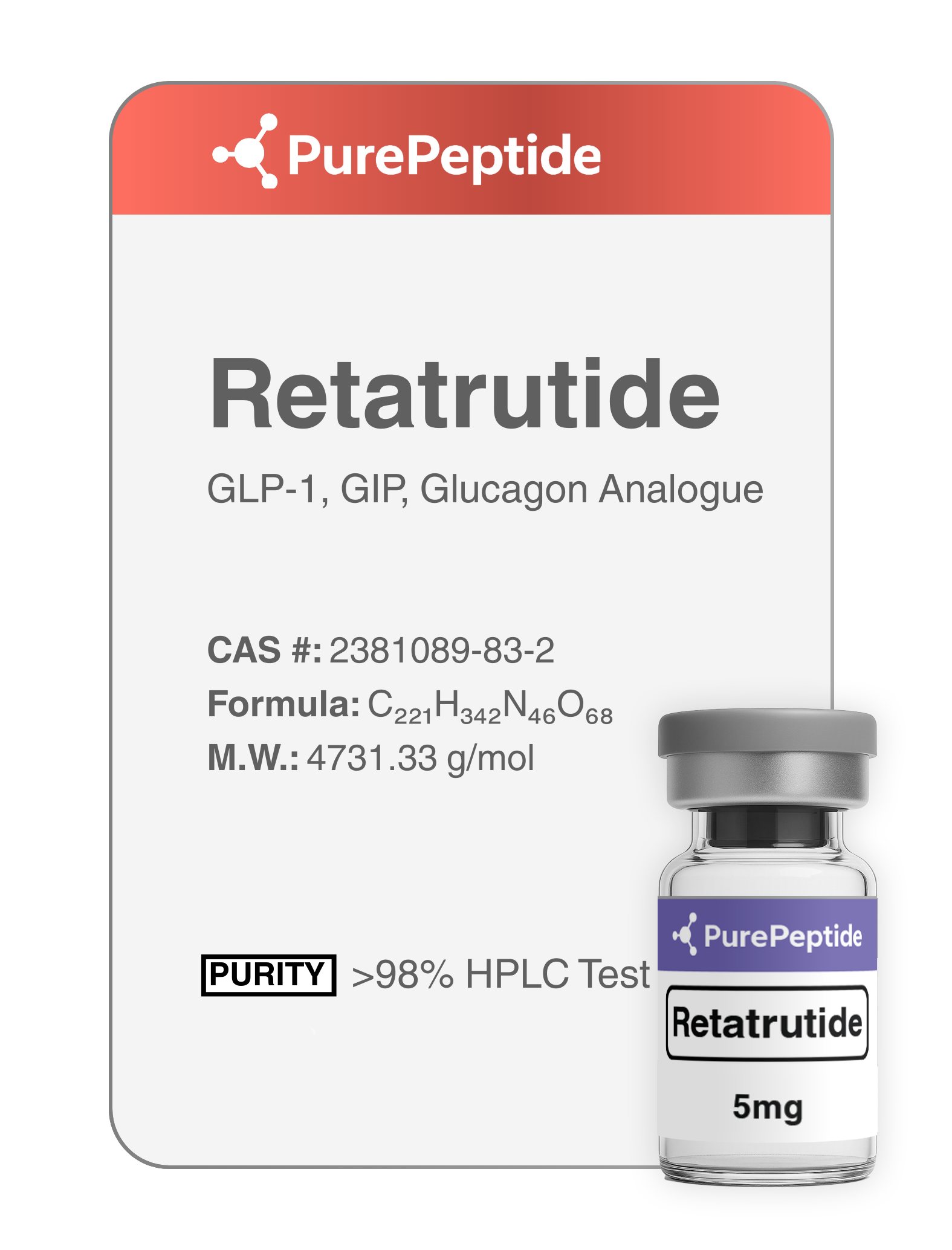
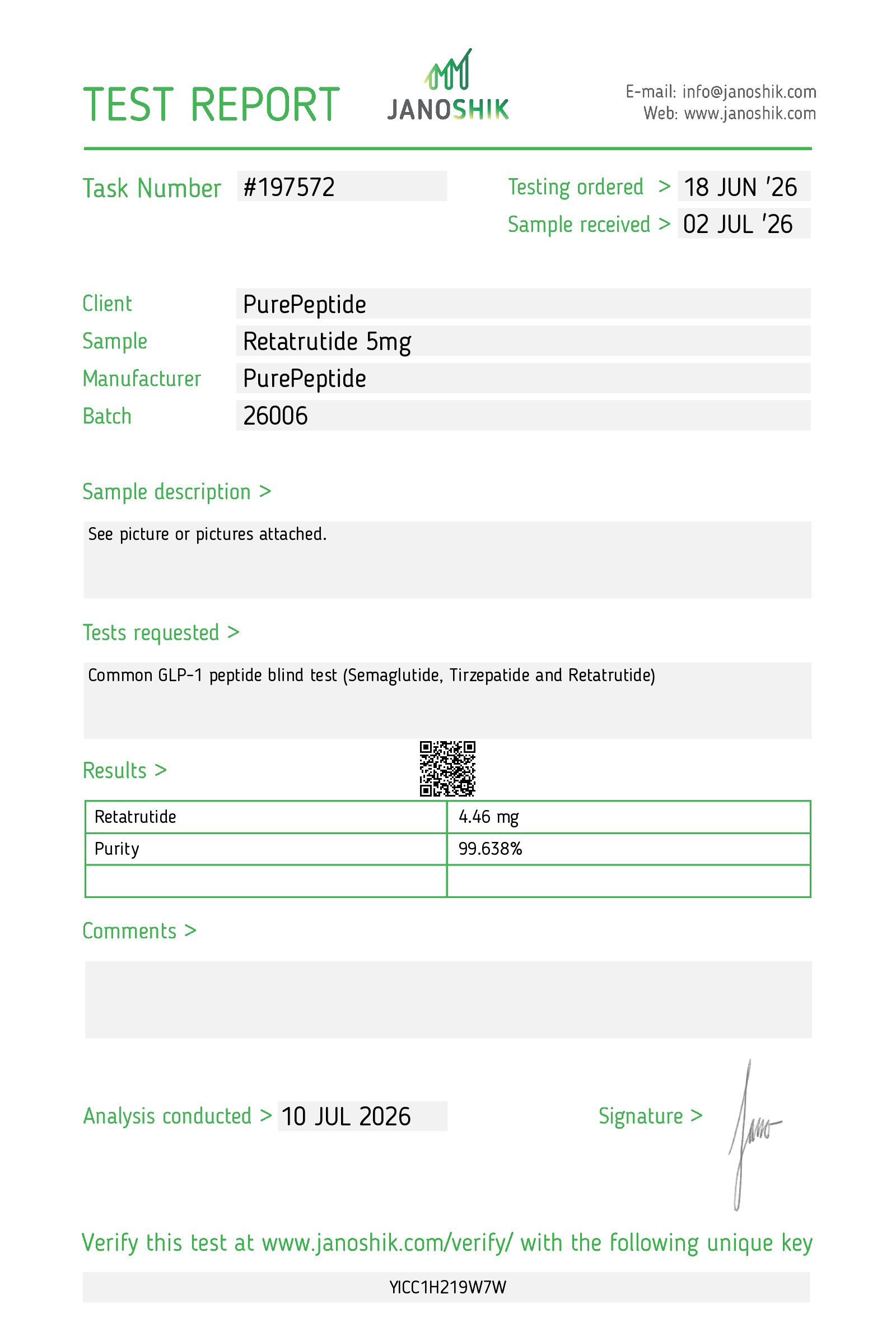
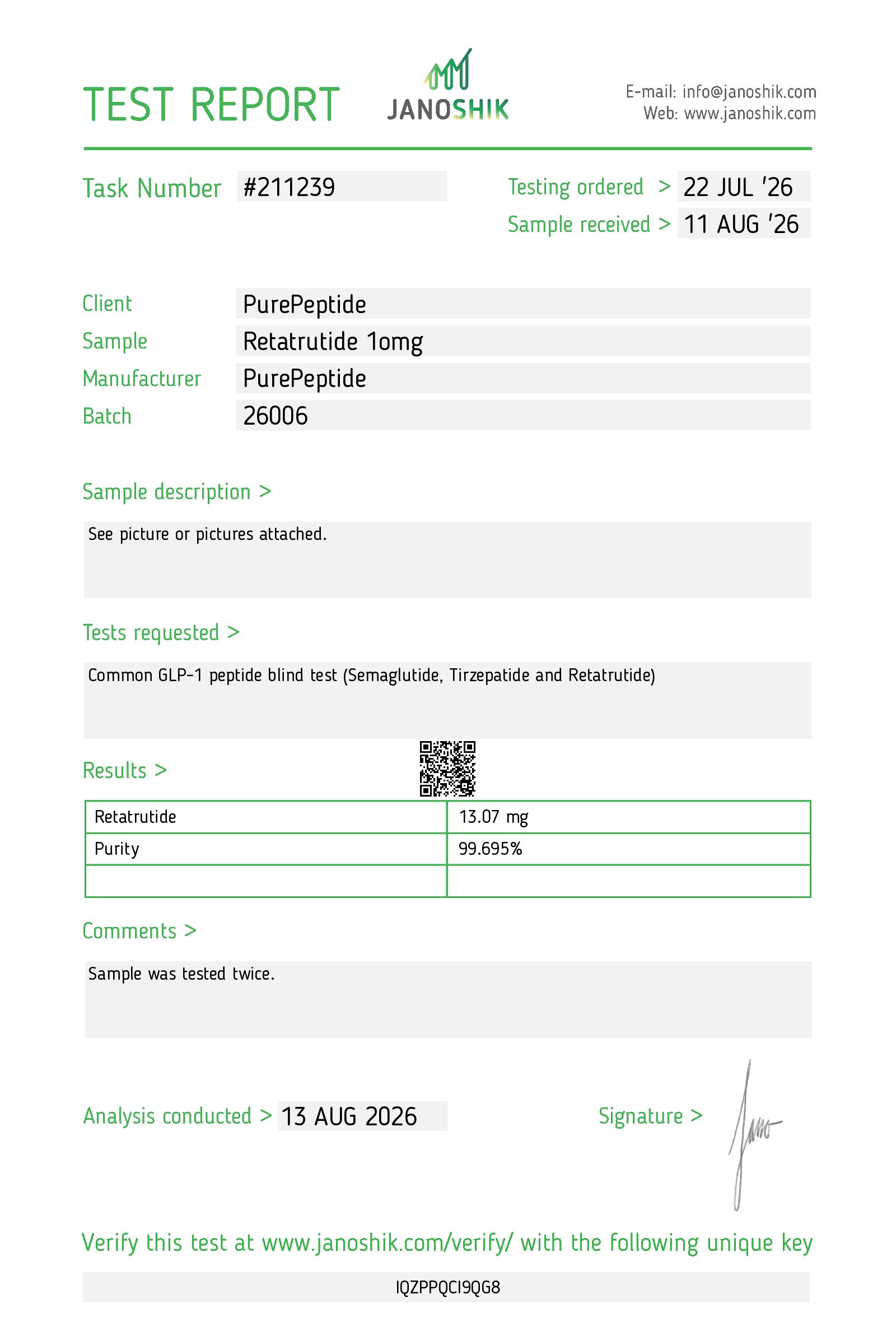
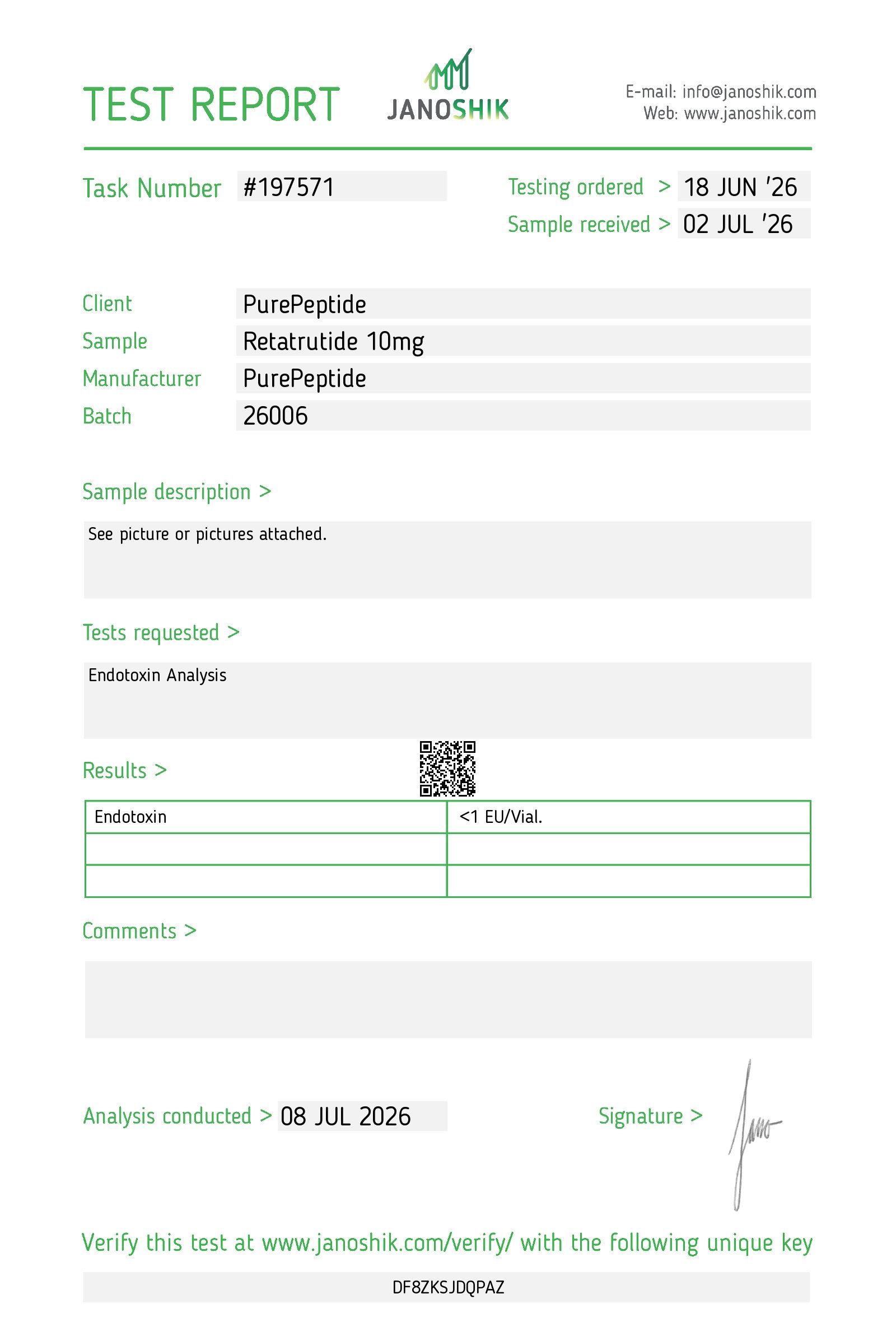
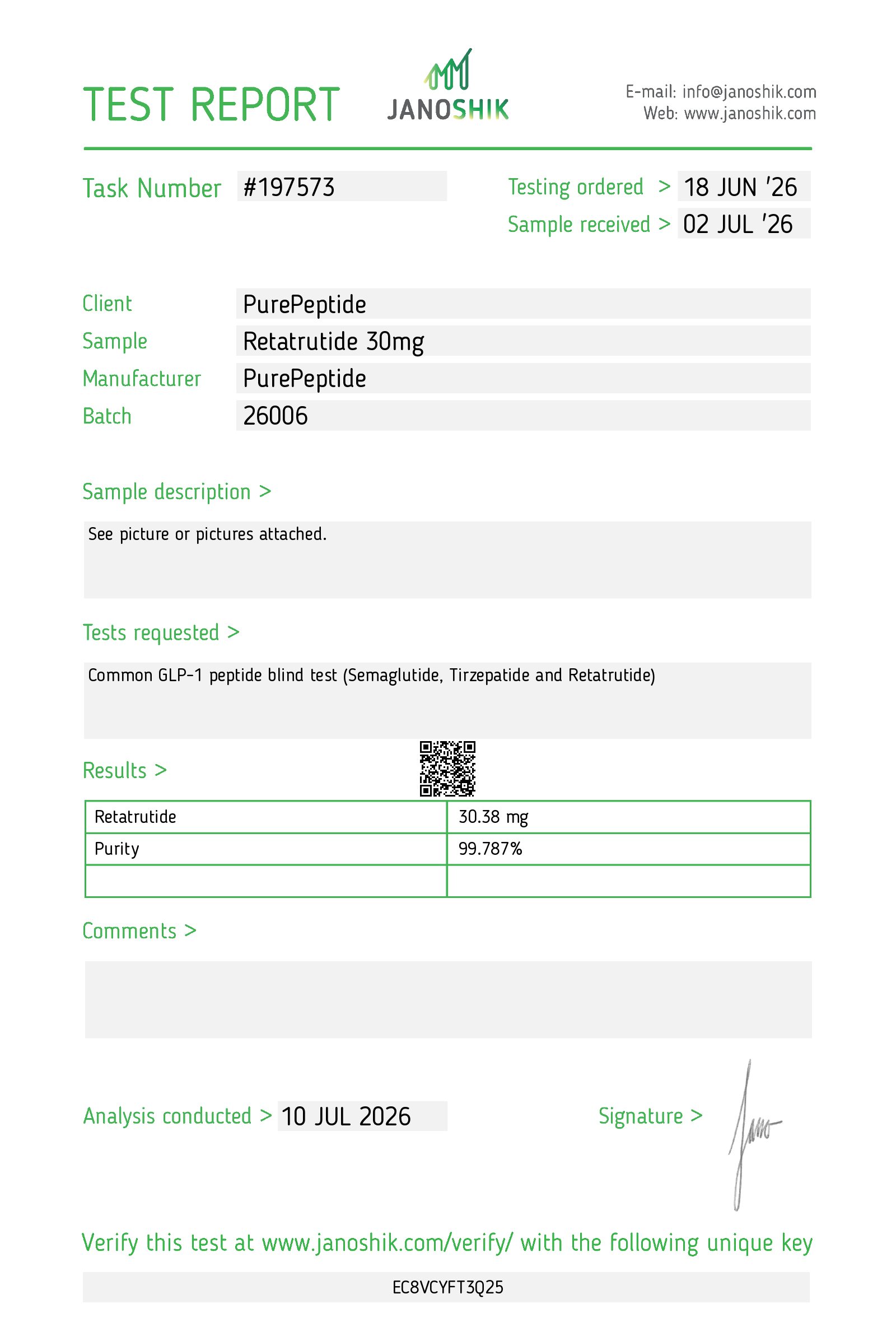
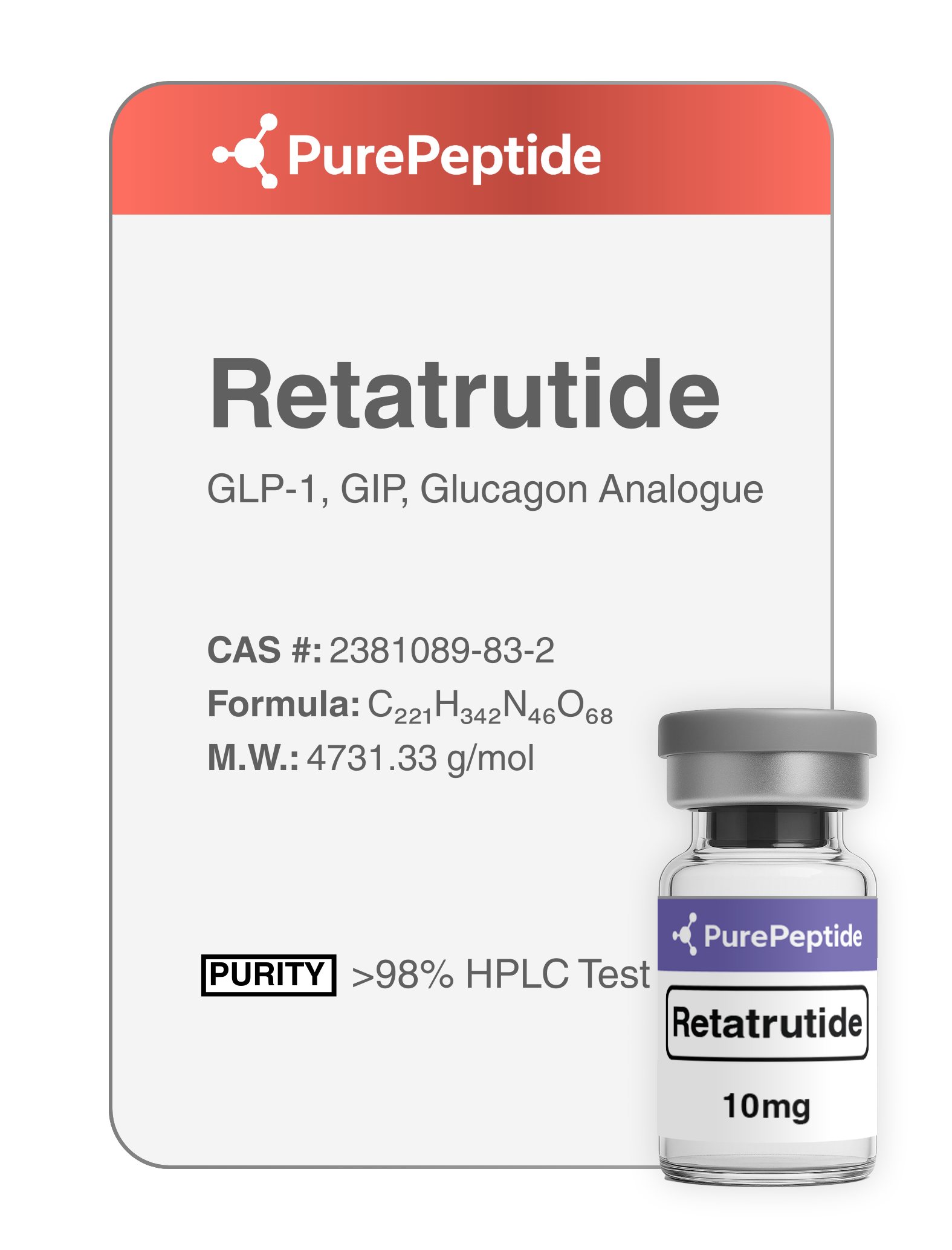
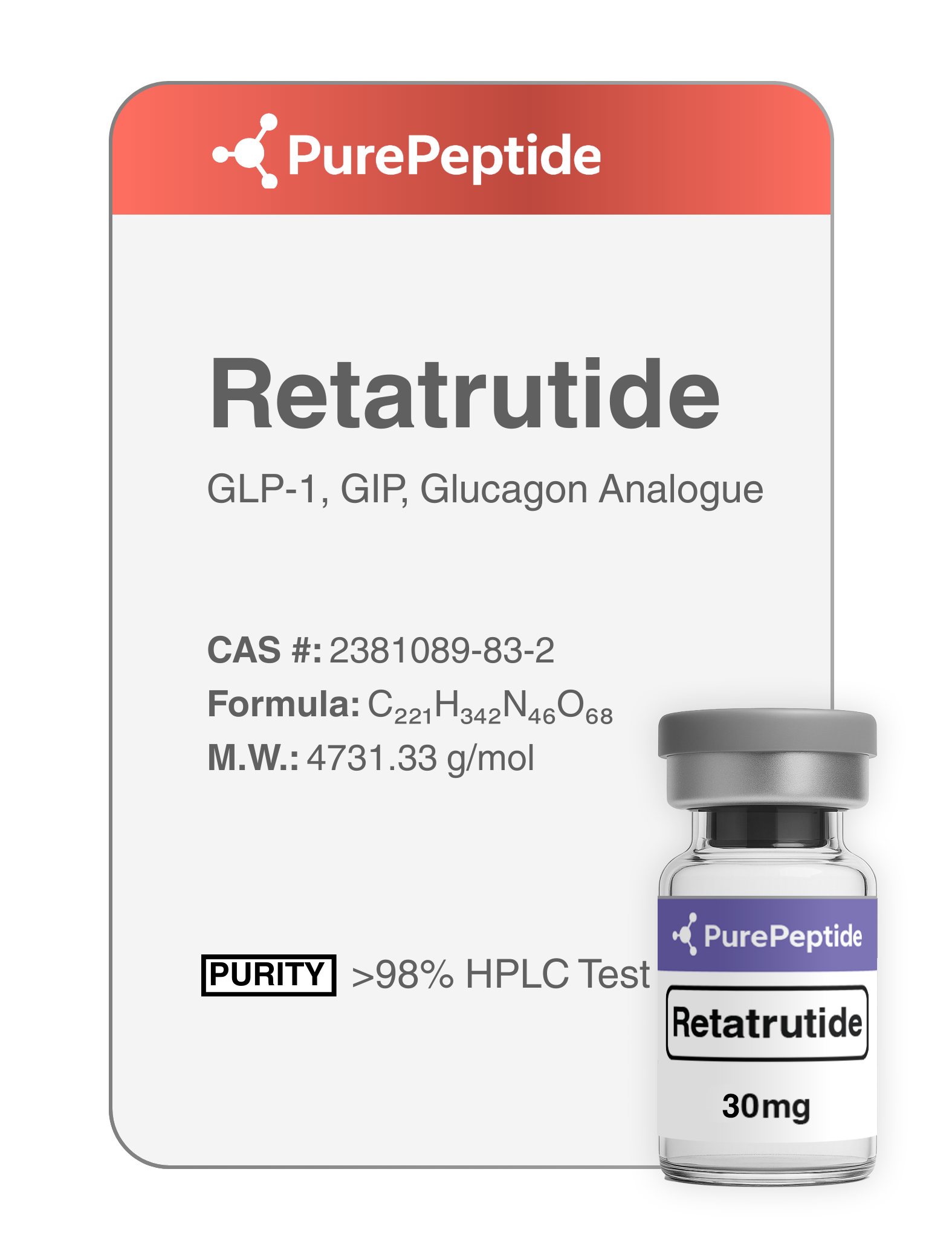
This product is intended solely for scientific and research use, as well as for use as a reference standard in HPLC analysis, and is not an approved medicinal product. It is not intended for the diagnosis, treatment or prevention of disease in humans or animals. It has not been approved by the FDA, the EMA or any national regulator. The information on this page is provided for scientific information purposes only and does not constitute medical advice, a recommendation for use, or any claim of clinical efficacy or safety.
What is Retatrutide?
Retatrutide is a synthetic peptide analog consisting of 42 amino acids, being investigated for its simultaneous action on three different metabolic receptor systems – GLP-1, GIP and glucagon receptors. This triple receptor profile places it among the newer generation of incretin-based molecules being developed in relation to the regulation of body mass, glucose metabolism and energy balance.
Unlike classical GLP-1 receptor agonists, which act predominantly on a single receptor system, Retatrutide combines GLP-1 and GIP activity with additional stimulation of the glucagon receptor. Scientific interest is focused on whether the interaction between these three mechanisms can produce a different metabolic response compared to molecules with single or dual receptor activity.
GLP-1 and GIP participate in the incretin regulation of glucose and insulin secretion, while glucagon signaling has broader involvement in energy metabolism and the mobilization of energy substrates. Combining these mechanisms allows the effects on appetite, satiety, body composition, adipose tissue and various indicators of metabolic function to be investigated in clinical and preclinical settings.
The main clinical programs include participants with obesity, overweight, type 2 diabetes and other conditions associated with impaired metabolic regulation. Alongside changes in body mass, HbA1c, plasma glucose, lipid profile, blood pressure, inflammatory markers and the amount of adipose tissue in various depots are monitored.
The published scientific results describe changes in a number of these indicators, but they must be interpreted solely within the framework of the respective research protocols. The magnitude of the observed changes depends on the dose used, the titration method, participant characteristics and the duration of follow-up.
Observations and Data
Retatrutide is being investigated across several interconnected directions, including receptor pharmacology, appetite regulation, body weight, carbohydrate and lipid metabolism, energy expenditure and cardiometabolic indicators. Data originate from cellular models, preclinical experiments and controlled clinical trials.
- Receptor activity and cellular models – in vitro studies evaluate the interaction of Retatrutide with GLP-1, GIP and glucagon receptors and the subsequent activation of intracellular signaling mechanisms. These analyses help understand the pharmacological profile of the molecule, but alone cannot determine its clinical efficacy or safety.
- Glucose control – in clinical trials, indicators such as HbA1c, fasting plasma glucose and other parameters of carbohydrate metabolism are monitored. The results obtained may differ between participants with normal glucose metabolism and those with type 2 diabetes or insulin resistance.
- Body weight – change in body mass is one of the main endpoints in clinical programs. Various target dose levels and gradual titration schemes are studied, with the observed effect depending on both the dose and the duration of follow-up.
- Appetite and satiety – GLP-1 and GIP signaling is considered in relation to food intake, feelings of satiety and post-meal behavior. Experimental models also investigate potential interactions with central mechanisms regulating hunger.
- Hepatic metabolism – separate clinical analyses monitor liver fat content and other indicators related to lipid accumulation and the metabolic function of liver tissue.
- Lipid profile – some studies examine changes in triglycerides, non-HDL cholesterol and other lipid indicators. The clinical significance of these changes must be evaluated in relation to the design and objectives of the specific trial.
- Cardiometabolic markers – among the additionally monitored parameters may be systolic blood pressure, hsCRP and other indicators related to metabolic and cardiovascular risk.
- Energy balance – the glucagon component of the molecule represents particular scientific interest in relation to energy expenditure and the use of various metabolic substrates. The relative contribution of this mechanism to the overall effect of the triple agonist is being studied.
Example Values
The following calculations represent only mathematical examples showing the relationship between the total amount of substance, the volume of solvent used and the final concentration. They do not represent a dosing recommendation, application scheme or instructions for use.
When dissolving 5 mg with 2 ml bacteriostatic water:
A concentration of 2.5 mg/ml is obtained. At this concentration, 0.4 ml contains 1 mg of substance.
Example values:
- 0.1 ml = 0.25 mg
- 0.2 ml = 0.5 mg
- 0.3 ml = 0.75 mg
- 0.4 ml = 1 mg
- 0.5 ml = 1.25 mg
When dissolving 10 mg with 2 ml bacteriostatic water:
The final concentration is 5 mg/ml, meaning that 0.2 ml contains 1 mg. For the same measured volume, the amount of substance is twice as large compared to a concentration of 2.5 mg/ml.
- 0.1 ml = 0.5 mg
- 0.2 ml = 1 mg
- 0.3 ml = 1.5 mg
- 0.4 ml = 2 mg
- 0.5 ml = 2.5 mg
When dissolving 30 mg with 3 ml bacteriostatic water:
The resulting concentration is 10 mg/ml, at which 0.1 ml contains 1 mg. At higher concentration, small changes in the measured volume lead to proportionally larger changes in the calculated amount of substance.
- 0.05 ml = 0.5 mg
- 0.1 ml = 1 mg
- 0.2 ml = 2 mg
- 0.3 ml = 3 mg
- 0.4 ml = 4 mg
- 0.5 ml = 5 mg
- 0.6 ml = 6 mg
- 0.8 ml = 8 mg
- 1.0 ml = 10 mg
Scientific Publications
Retatrutide is being evaluated in clinical trials in participants with obesity, overweight, type 2 diabetes and other metabolic function disorders. Clinical programs monitor both primary endpoints related to body weight and glycemic control, as well as numerous secondary indicators.
In some studies, imaging methods are used to evaluate body composition and adipose tissue distribution. This allows analysis not only of changes in total body weight, but also changes in visceral and hepatic fat depots.
Some of the clinical programs include participants with obesity or overweight and comorbid conditions, including knee osteoarthritis. In such trials, both metabolic indicators and changes in pain, mobility, physical function and daily activity are evaluated.
Among the indicators considered in the scientific literature are:
- changes in body weight under different dosing regimens and follow-up periods;
- changes in HbA1c and plasma glucose;
- changes in body composition and adipose tissue distribution;
- changes in liver fat content;
- changes in triglycerides and other lipid profile indicators;
- changes in blood pressure and inflammatory markers;
- evaluation of physical function in specific clinical populations.
The triple receptor mechanism places Retatrutide among the actively studied molecules in the field of incretin and metabolic pharmacology. The combination of GLP-1, GIP and glucagon activity allows investigation of whether simultaneous action on several metabolic pathways can lead to a different effect profile compared to more selective molecules.
At the same time, results must be interpreted carefully. Observations from one dose group or specific study population cannot automatically be transferred to other groups, and the long-term safety profile requires continued follow-up.
Cellular and preclinical models provide additional information about receptor interactions, metabolic signaling pathways and the potential contribution of individual components of the molecule. However, they cannot replace results from controlled clinical trials in humans.
Safety data from studies
In published clinical trials, the most commonly reported adverse reactions are related to the gastrointestinal system. Their frequency and intensity usually depend on the dose level used, the titration speed and the individual tolerability of the participants.
Among the described reactions may be included:
- nausea;
- vomiting;
- diarrhea;
- constipation;
- bloating or a feeling of heaviness in the abdominal area;
- decreased appetite;
- local reactions at the site of application;
- increased heart rate in some participants;
- gallstone disease or other biliary system disorders, including in the context of significant changes in body mass.
In clinical trials, gastrointestinal symptoms are often observed during periods of dose level increase. In some participants, their intensity decreases after adaptation to the respective level, but the individual response may vary.
Long-term safety, rarer adverse reactions, possible interactions with other substances and effects in specific populations continue to be studied. Due to ongoing clinical development, the final safety profile of Retatrutide has not yet been fully established.
The information is summarized based on published scientific research, preclinical models and clinical observations. The material has an educational and informational purpose only and does not constitute medical advice, diagnosis, treatment recommendation, recommendation for use, application instructions or dosing guidance. Retatrutide is a research molecule and the available data should be considered solely within the context of published scientific research and applicable regulatory requirements.